

A root canal has a fearsome reputation it no longer deserves. Done with modern anaesthetic and instruments, the treatment itself is about as comfortable as having a filling — and the pain people associate with it comes from the infection beforehand, not the procedure that clears it. A root canal is what saves a badly infected tooth from being lost.
If you've been told you need one and you're already bracing yourself, here's what really happens — and why it's usually a relief rather than an ordeal.
Why root canals have such a bad reputation
The dread is real, but it's out of date. The reputation was earned decades ago, when treatment was slower and both anaesthetic and instruments were far more basic. Word of mouth kept the fear alive long after the procedure itself moved on.
Today, a root canal is a routine treatment carried out under effective local anaesthetic, often with fine rotary instruments that make it quicker and smoother than it used to be. The gap between the reputation and the reality is wide — and it stops a lot of people from getting a straightforward treatment done before their tooth gets worse.
What actually causes the pain
Here's the part that reframes everything: the pain people fear is caused by the infection, not by the root canal.
Inside every tooth is a soft core of nerve and blood vessels called the pulp. When deep decay, a crack or an injury lets bacteria reach the pulp, it becomes inflamed and infected — and because it's sealed inside a hard tooth, the pressure has nowhere to go. That's the throbbing, keeps-you-up-at-night toothache.
A root canal relieves exactly that. It removes the infected pulp, cleans and disinfects the inside of the tooth, and seals it. Far from causing the pain, it's what takes the pain away.
Sometimes there's no pain at all. An infection can build quietly, and the first sign is a shadow your dentist spots on an X-ray, or a small swelling on the gum. That doesn't mean it's less urgent — a silent infection still needs clearing before it spreads to the bone — but it does mean a root canal isn't always a response to agony. Often it's simply the sensible next step once a problem is caught.
Signs you might need a root canal
A tooth heading towards a root canal usually gives some warning. The common signs:
- Lingering sensitivity to hot or cold that stays well after the source is gone.
- Pain when biting or when you press on one particular tooth.
- A pimple-like spot on the gum, or swelling in the face or gum nearby.
- A tooth that's darkened compared with its neighbours.
- Deep decay or a large crack that your dentist can see.
Not every one of these means a root canal is certain — but any of them is worth getting checked promptly, because infection tends to progress rather than settle on its own.
Step by step: what happens in the chair
Knowing the sequence takes a lot of the worry out of it:
- Numbing. The tooth and the area around it are fully anaesthetised. This is the moment most people are anxious about, and it's the point at which the discomfort ends rather than begins.
- Access. A small opening is made in the top of the tooth to reach the pulp inside.
- Cleaning. The infected pulp is removed, and the narrow canals within the root are cleaned and shaped.
- Sealing. The cleaned canals are filled with a rubber-like material to seal them, and the opening is closed with a filling.
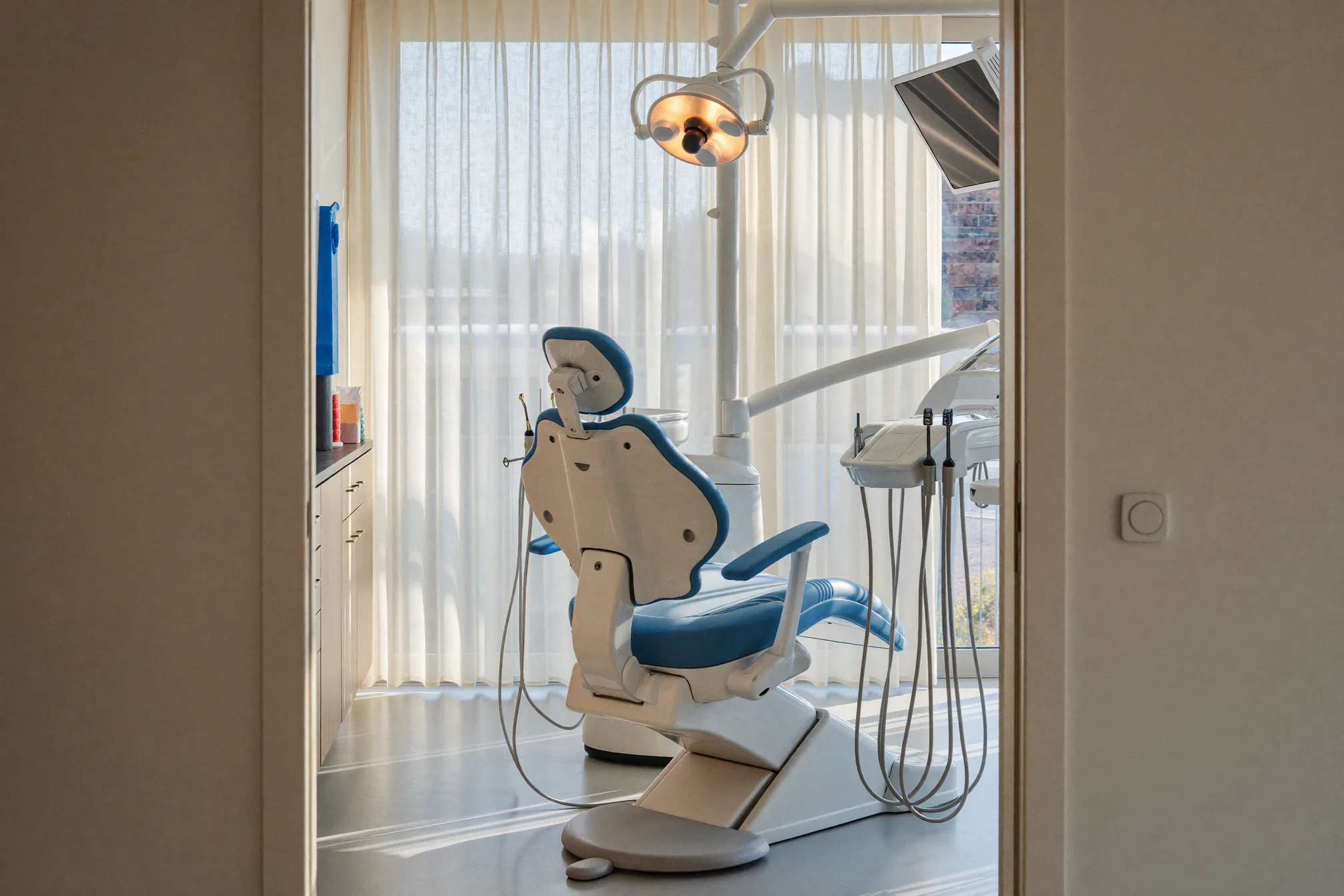
Throughout, you should feel pressure and movement but not pain. Many people are surprised to find they relax in the chair — some even doze off.
After the root canal: the crown and aftercare
A tooth that's had a root canal is saved, but it's also more brittle than before, especially a back tooth that takes a heavy chewing load. That's why a root canal is usually followed by a crown, which caps the tooth and protects it from cracking.
For a few days afterwards the tooth may feel tender, which settles with normal pain relief. After that, a root-treated tooth is looked after exactly like any other — regular brushing, flossing and check-ups. Treated and crowned, it can go on serving you for many years.
It's worth remembering what the alternative would be. Without a root canal, an infected tooth doesn't get better on its own; the choice is usually between saving it this way or losing it. Keeping your own tooth means no gap to fill, no drifting of the teeth either side, and nothing artificial to replace it with — which is why a root canal is so often the better outcome, not the worse one.
Occasionally a tooth is too far gone for a root canal to be predictable, and removal is the more sensible route. If that turns out to be the case, our guide to when a tooth extraction might be necessary explains what's involved and how the gap can be replaced.
Talk to us about root canal treatment in Hornsby
If you've got a toothache that won't settle, or you've been told you need a root canal and the idea makes you nervous, come and talk it through. We'll explain exactly what your tooth needs and keep you comfortable throughout.
Our dentists carry out root canal treatment at both clinics:
- Hornsby — 141 Peats Ferry Rd, Hornsby NSW 2077 · (02) 9987 2555
Book a consultation and let's save the tooth — comfortably.