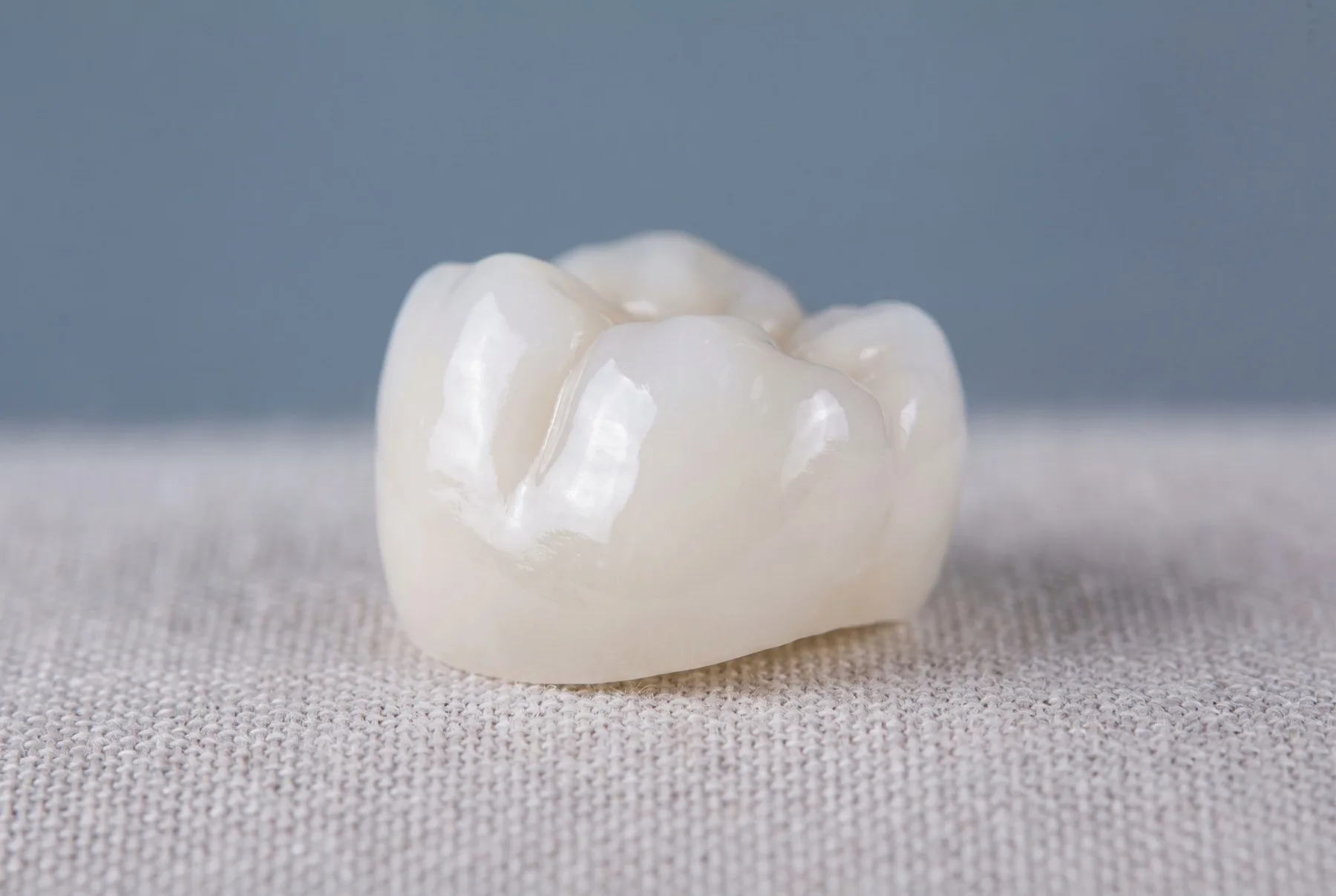
Prosthetics
Restoring form and
function.
When teeth are broken or lost to decay, gum disease or injury, prosthetic treatment rebuilds them — restoring your ability to chew, speak and smile with confidence.
What is prosthetic treatment?
Rebuilding broken or missing teeth to their natural form, so everyday chewing and speech feel comfortable again.
Materials and shades are chosen to blend with your surrounding teeth in colour and shape, for a result that looks and feels like your own. The right option depends on how many teeth are involved and the health of the teeth around them — confirmed at your consultation.
Rebuild a smile that works for you.
Book a consultation at Hornsby and we'll recommend the restoration that suits your teeth and goals — with dentists who speak English, 한국어, 中文 and 日本語.
The most suitable prosthetic option, materials and any associated risks depend on your individual circumstances and are assessed and confirmed at your consultation.