Root Canal
Saving your natural
tooth.
When the nerve inside a tooth becomes infected or inflamed, root canal treatment removes the damaged tissue and seals the tooth — so it can be kept rather than lost.
Preserving your own teeth
Keeping your natural tooth is our priority — and a root canal is often what makes that possible.
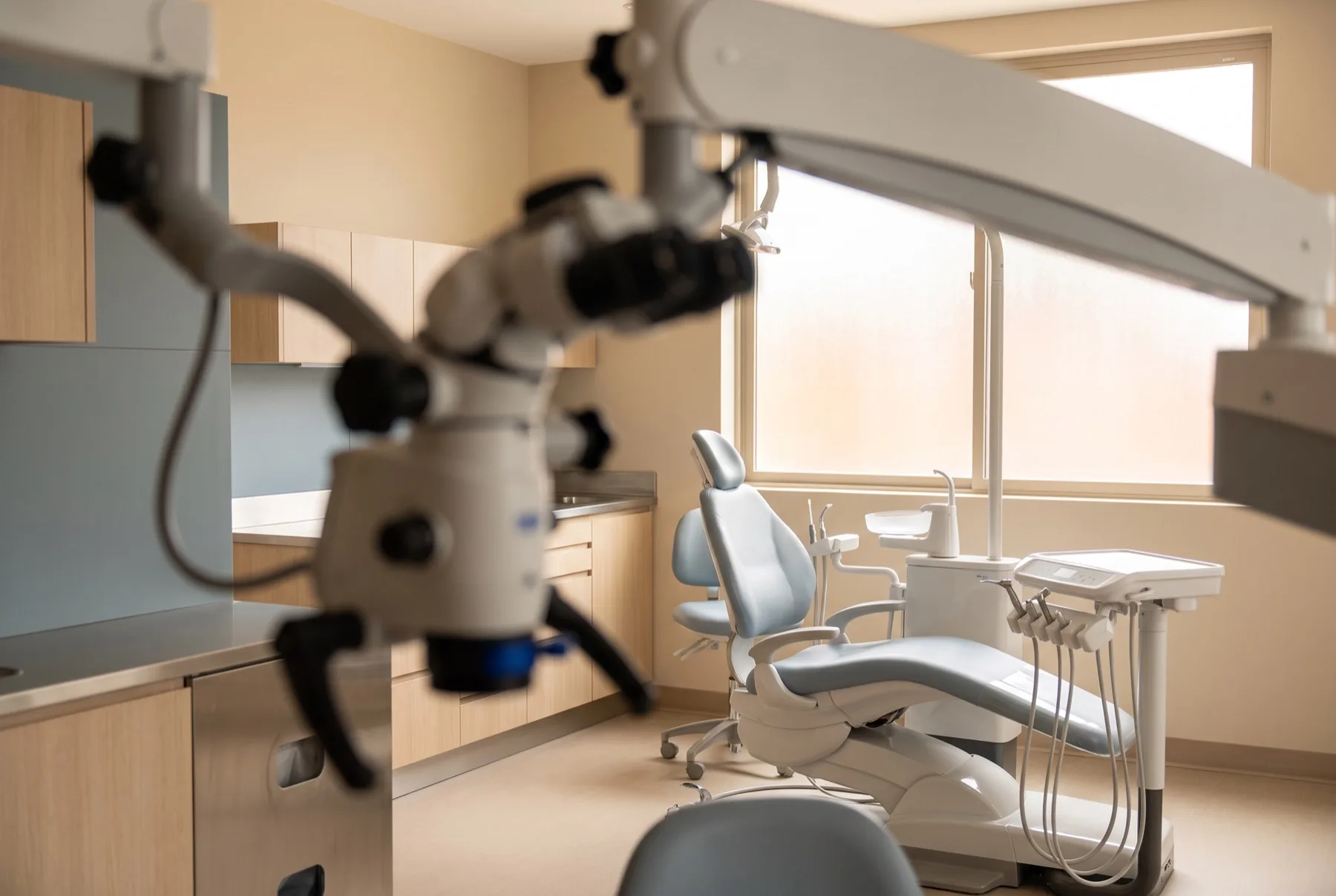
When bacteria from a cavity, or harmful irritation, reach the nerve (pulp) inside a tooth, it can become infected or inflamed. Root canal treatment removes that damaged tissue, cleans the space it occupied, and fills it with a suitable material — using magnification to reach areas that are otherwise hard to see.
Keep the tooth you already have.
Book a consultation at Hornsby and we'll assess whether a root canal can save your tooth — with dentists who speak English, 한국어, 中文 and 日本語.
The number of visits and outcome of root canal treatment vary between individuals depending on the tooth and the extent of infection, and any associated risks are discussed with you before treatment.