

Most of what puts people off dental implants simply isn't true. Implants are one of the most predictable treatments in modern dentistry: they're placed under local anaesthetic, a well-made implant looks and works like a natural tooth, and your age on its own is rarely what decides whether you can have one. The myths below are the ones our dentists hear most often — and clearing them up tends to change how the whole decision feels.
Myth 1: Getting a dental implant is unbearably painful
This is the fear that stops most people before they start, and it doesn't match the reality. Implant placement is done under local anaesthetic, so the area is completely numb — most patients feel pressure rather than pain during the procedure itself.
Recovery surprises people too. Many describe it as milder than a difficult tooth extraction, with a few days of manageable soreness that responds well to over-the-counter pain relief. And if it's dental anxiety rather than the surgery itself that worries you, say so — sedation options can make the whole appointment feel far more comfortable. You can read exactly what's involved on our dental implant service page.
Myth 2: I'm too old for dental implants
There is no upper age limit for implants. What matters is your general health and how much jawbone is available to support the implant — not the number on your birth certificate.
A good many of our implant patients in Hornsby are in their 60s, 70s and beyond. If bone has receded over the years, that's often solvable rather than disqualifying: a bone graft can rebuild enough foundation for the implant to succeed.
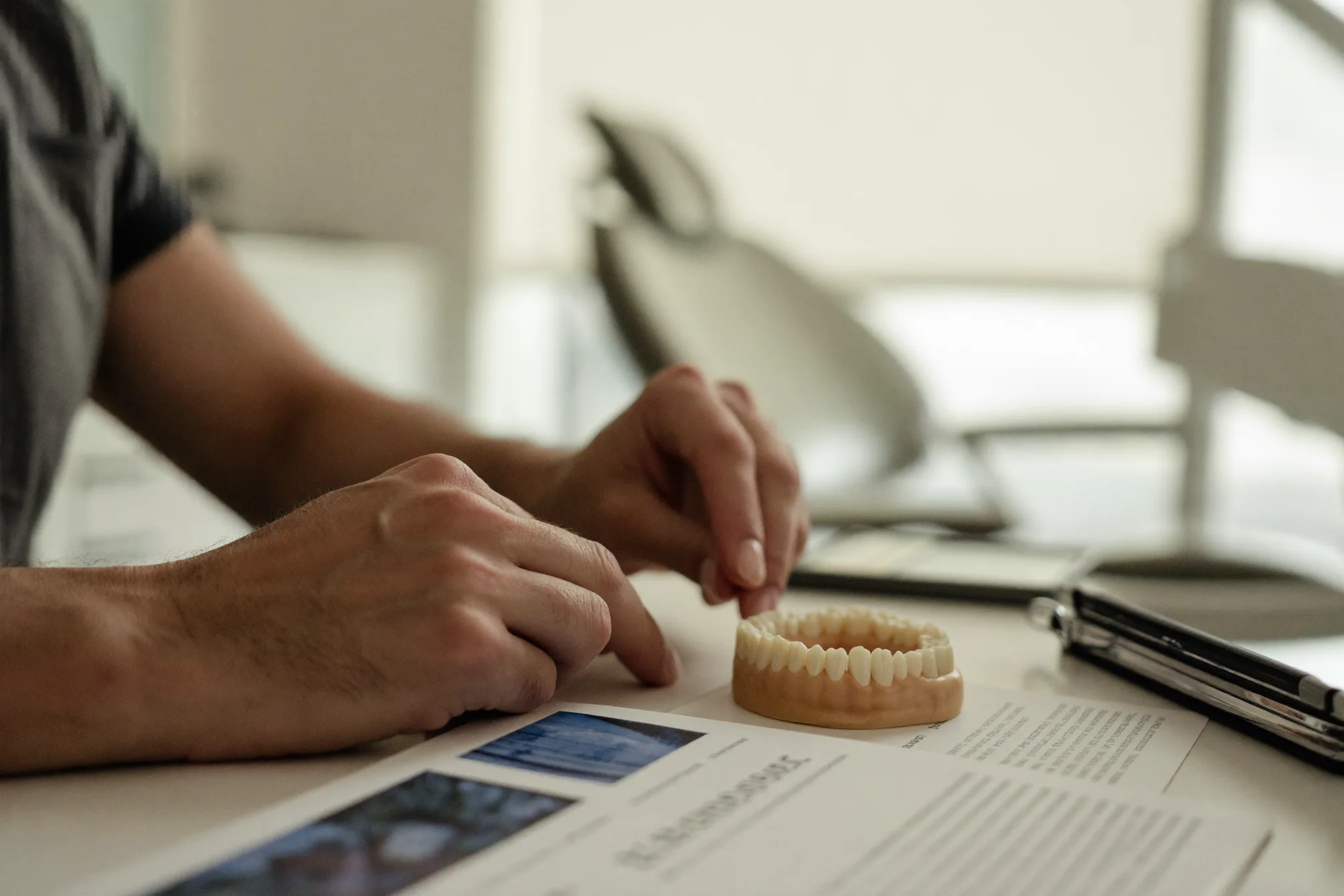
Myth 3: Everyone can tell you've had an implant
A modern implant is designed to disappear. The crown on top is custom-made and colour-matched to your surrounding teeth, and the titanium post sits hidden beneath the gum. Done well, it's genuinely hard to pick which tooth is the implant.
When an implant does look obvious, it's almost always the crown that's poorly matched, not the implant itself — which is why the shade, shape and fit are worth taking time over. For a front tooth in particular, we'll often trial the look before anything is finalised, so you approve the result rather than hope for it.
Myth 4: Implants are hard to look after
Implants are, if anything, simpler to maintain than the alternatives. You brush and floss them like natural teeth — no soaking overnight, no adhesive, no separate cleaning routine like a removable denture.
The main thing an implant asks of you is the same thing your natural teeth do: consistent daily cleaning and regular check-ups so your dentist can keep an eye on the gum and bone around it. Because an implant won't warn you with a twinge the way a natural tooth might, those routine visits are how small issues get caught early.
Myth 5: Implant surgery is risky
Implant placement is a routine, carefully planned procedure. Before anything happens, your dentist maps the site with X-rays or a 3D scan to plan the exact position, angle and depth — well away from nerves and sinuses.
Implants have a high long-term success rate, and the small risks that do exist are well understood and managed. Careful planning and an experienced hand are what keep it that way, which is why the assessment beforehand matters as much as the procedure. For most healthy adults, this is closer to a planned filling in its predictability than to major surgery.
Myth 6: Implants don't last, so you'll keep replacing them
The implant post is built for the long term. With good oral hygiene and regular visits, the titanium implant itself can last decades — often a lifetime. What may eventually need attention is the crown on top, which typically lasts 10–15 years before normal wear catches up with it.
So the picture isn't one of constant replacement. It's a durable foundation that, cared for properly, tends to outlast every removable alternative.
Myth 7: Implants aren't an option for someone like me
People often rule themselves out before asking. Long-standing gaps, previous bone loss, a history of gum problems — none of these automatically closes the door. Many patients who assumed they weren't candidates turn out to be perfectly suitable once the situation is properly assessed.
Even factors people assume are dealbreakers — being a smoker, or having had gum treatment in the past — are usually things to manage rather than reasons to refuse. The honest answer is that only an examination can tell you. A short consultation and an X-ray reveal how much bone you have and which options are realistic — and that's a very different thing from guessing.
Talk to our Sydney implant team
At Mirabel Dental Hornsby, the first step is never surgery — it's a straightforward conversation about whether an implant makes sense for you, what the alternatives are, and what to realistically expect. If you're still weighing it up, our guide to why dental implants are necessary is a good place to start.
Our dentists place and restore implants at both clinics:
- Hornsby — 141 Peats Ferry Rd, Hornsby NSW 2077 · (02) 9987 2555
Book a consultation and we'll answer your questions honestly — no pressure, no jargon.