

Professional teeth whitening lightens stained enamel using dentist-supervised gels that are stronger, and far more carefully controlled, than anything you can buy over the counter. Applied through custom-fitted trays or an in-chair treatment, it produces more even, longer-lasting results than pharmacy strips or whitening toothpaste — and your dentist manages sensitivity along the way. One important limit: it only works on natural teeth, so crowns and veneers won't change colour.
Here's how professional whitening works, how it compares to shop-bought options, and how to keep your results looking good.
Why teeth discolour in the first place
Not all stains are the same, and the cause affects how well whitening will work. Discolouration falls into two broad types:
Extrinsic stains | Intrinsic stains | |
|---|---|---|
Where | On the surface enamel | Inside the tooth structure |
Common causes | Coffee, tea, red wine, smoking | Ageing, certain medications, trauma |
Responds to whitening | Very well | Less predictably |
Most everyday yellowing is extrinsic — the surface staining that builds up from what we eat, drink and, for some, smoke. That type responds well to whitening. Deeper, intrinsic discolouration is more stubborn and sometimes better addressed another way, which is one reason a professional assessment beats guessing with a shop-bought kit.
A quick check with one of our Hornsby dentists can tell you which type you're dealing with before you spend money on a treatment that may not touch it. It's also worth knowing that teeth naturally darken a little with age as the enamel thins and the layer beneath shows through — so some of what looks like staining is simply time, and setting realistic expectations up front saves disappointment later.
Professional whitening vs over-the-counter products
You can buy whitening strips, pens and toothpastes almost anywhere. They're cheaper, and for very mild surface staining they can help a little. But there are real differences in what they can achieve:
Professional whitening | Over-the-counter kits | |
|---|---|---|
Gel strength | Higher, dentist-controlled | Low, one-size-fits-all |
Fit | Custom trays hold gel evenly | Generic strips or trays |
Even result | Yes — gel reaches all surfaces | Often patchy, misses edges |
Supervision | Dentist manages safety and sensitivity | None |
Speed | Noticeable change quickly | Gradual, if at all |
The custom-fitted tray is the part people underestimate. A tray moulded to your teeth holds the gel evenly against every surface, so you avoid the streaky, uneven look that generic strips often leave — and it keeps the gel off your gums, which is where a lot of over-the-counter irritation comes from.
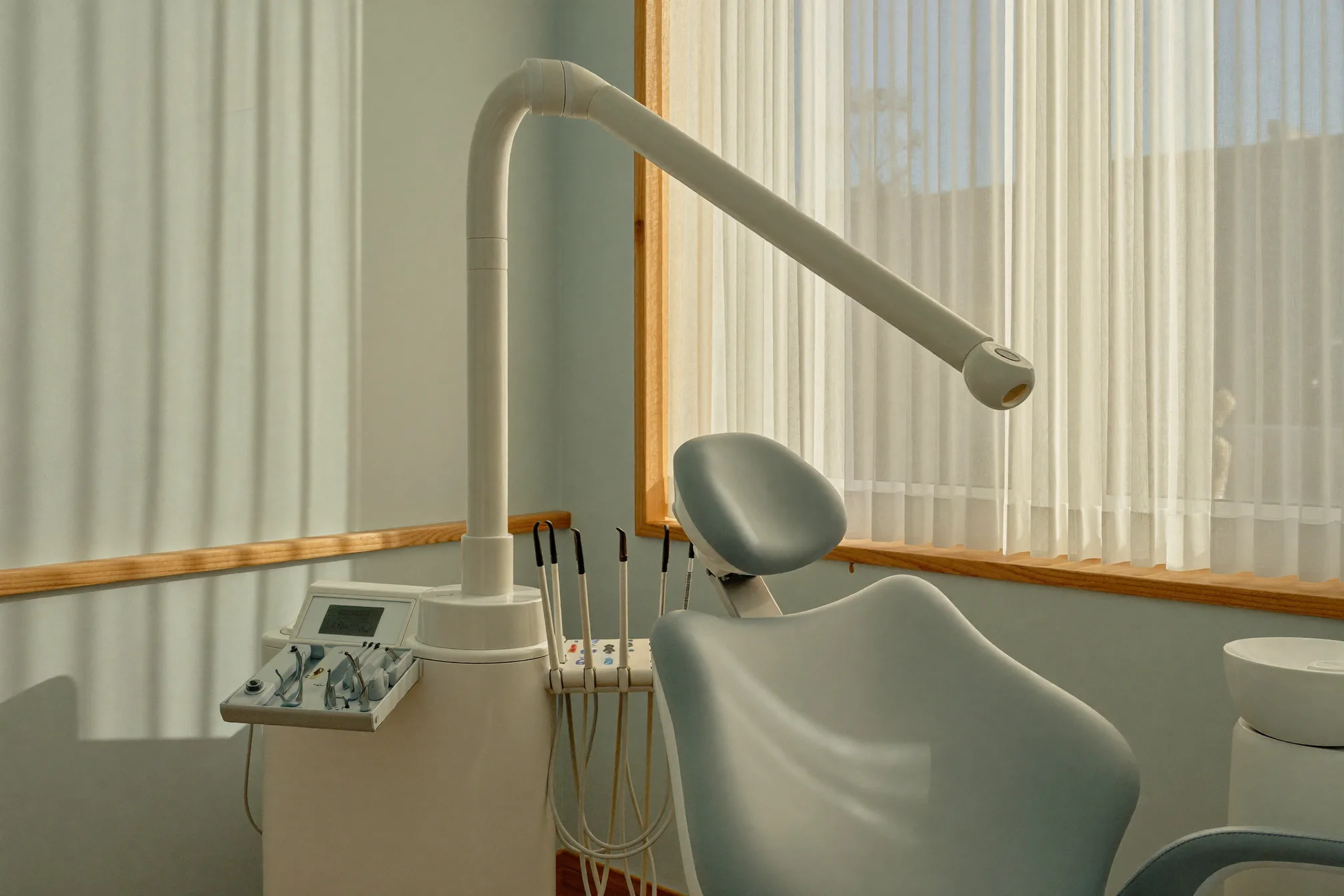
In-chair or take-home: two ways to whiten professionally
Professional whitening usually comes in two formats, and your dentist will suggest whichever suits your teeth and your schedule:
- In-chair whitening is done in a single appointment. A stronger gel is applied under supervision, often with a light to help it work, so you walk out with a visible change the same day. It's the quickest route and useful if you have an event coming up.
- Take-home whitening uses custom-fitted trays and a gentler gel you wear at home over a couple of weeks. It takes longer, but the gradual approach tends to be kinder on sensitive teeth, and you keep the trays afterwards for easy top-ups.
Some people combine the two — a quick in-chair boost followed by take-home trays to maintain and extend the result. There's no single "best" choice; it depends on how fast you want results and how your teeth respond.
Managing sensitivity
The most common worry about whitening is sensitivity — usually a brief, cold-triggered twinge during or just after treatment. It's temporary and, importantly, manageable when the process is supervised. A dentist can:
- Adjust the gel strength to suit your teeth rather than using a fixed formula.
- Recommend a desensitising toothpaste in the days before and after.
- Space out the treatment so your teeth have time to settle between sessions.
This is a genuine advantage of professional whitening over a one-size-fits-all kit: if your teeth react, there's someone to adjust the approach rather than leaving you to push through it.
Making your results last
Whitening isn't permanent — the same foods and drinks that stained your teeth the first time will slowly do it again. A few habits keep your result looking fresh for as long as possible:
- Go easy on the staining culprits. Coffee, tea, red wine and dark sauces are the usual offenders. Rinsing with water afterwards helps.
- If you smoke, this is one more reason to stop. Nothing re-stains teeth faster.
- Keep up your hygiene. Regular brushing, flossing and professional cleans remove surface staining before it sets in.
- Top up occasionally. A custom take-home tray lets you refresh the shade now and then, which is far easier than starting over.
If you're weighing whitening against a bigger cosmetic change, it's worth knowing how it differs from other options — our guide to no-prep veneers explains when a facing does what whitening can't.
Whiten your smile in Hornsby
At Mirabel Dental Hornsby, professional teeth whitening starts by checking what's actually causing your discolouration and whether whitening is the right answer for it. We'll set realistic expectations for your teeth, manage any sensitivity, and help you keep the result.
You can see our dentists at either clinic:
- Hornsby — 141 Peats Ferry Rd, Hornsby NSW 2077 · (02) 9987 2555
Book a consultation and we'll plan a brighter smile that suits you.